The holidays often mean travel, visiting family, dinners out, or a few nights away from home.
While this season can be full of joy, it can also be stressful for your dog if they suddenly find themselves alone or in a new environment.
Preparing in advance makes all the difference. Here’s how to ensure your dog feels calm, cared for, and safe while you’re away.
1. Make a Plan Early
Last-minute arrangements create anxiety for both you and your dog. If you know you’ll be away, start planning care at least a few weeks in advance. Decide whether they’ll stay with family, a sitter, or at home with check-ins. Dogs thrive on familiarity, so choose an option that fits their personality, shy dogs often do best in their own space, while social dogs enjoy the company of others.
2. Choose the Right Caregiver
If you’re using a sitter or boarding service, meet them in person first. Introduce your dog gradually, ideally with a few short visits before you go.
Share essential information like feeding routines, medication, walk preferences, and emergency contacts. It’s also helpful to write down small details that comfort your dog: favorite toy, preferred sleeping spot, or walking routes.
3. Keep Their Routine Intact
Even when you’re gone, structure helps dogs feel secure. Ask your sitter to keep meals, walks, and bedtime as close to normal as possible. Familiar patterns reduce separation stress and help maintain appetite and sleep.
4. Bring Familiar Items
Dogs experience the world through scent. A blanket, your worn t-shirt, or their regular bed can make a new environment feel like home. These familiar smells lower stress hormones and make transitions much easier.
5. Avoid Over-Dramatic Goodbyes
It’s tempting to hug them tight and reassure them with endless affection, but dogs often pick up on our emotions. Keep departures calm and brief. A quiet, confident goodbye tells your dog there’s nothing to worry about.
6. Use Technology to Check In
If it helps you feel more at ease, pet cameras and GPS collars can offer peace of mind. Just be careful not to overcheck or talk through cameras too often; that can sometimes confuse sensitive dogs.
7. Manage Long Absences Gradually
If your dog isn’t used to time alone, start training early. Begin with short absences, five minutes, then ten, then an hour, so they learn that you always return. It’s especially helpful for younger dogs or rescue dogs who struggle with separation anxiety.
8. Make the Return Calm
Dogs read excitement as a signal of change, so when you return home, stay relaxed. A calm reunion sets a positive tone for the next time you leave.
Because They Deserve Peace Too
Leaving your dog during the holidays doesn’t have to be stressful. With gentle preparation, steady routines, and familiar comforts, you can make sure they feel loved and secure, even when you’re apart.
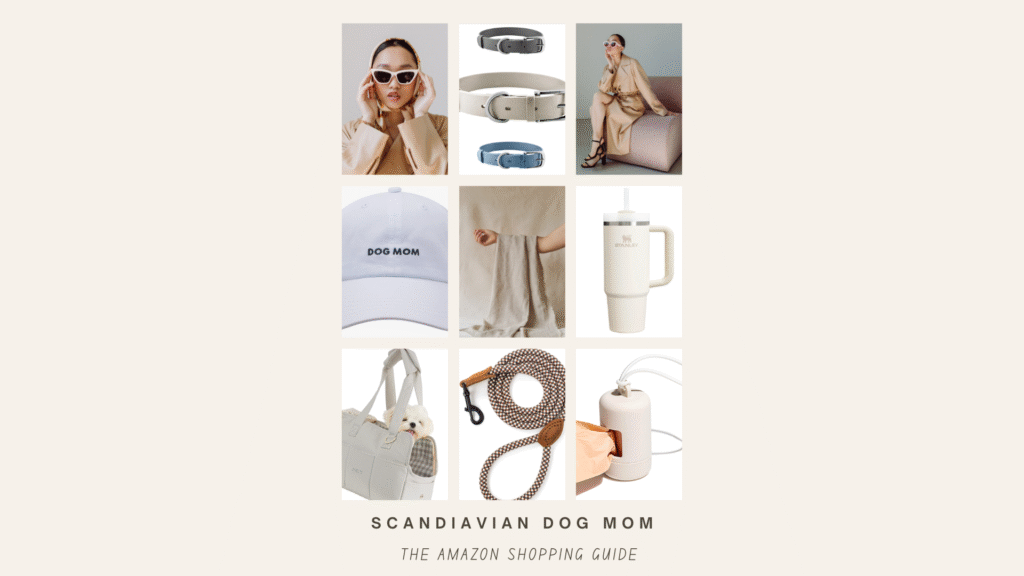
OUR Favorite Amazon Picks Right now













Please note: As an Amazon Associate, The Pet Shop Studio earns from qualifying purchases. We may receive commissions when you click on links to products we recommend, at no additional cost to you.