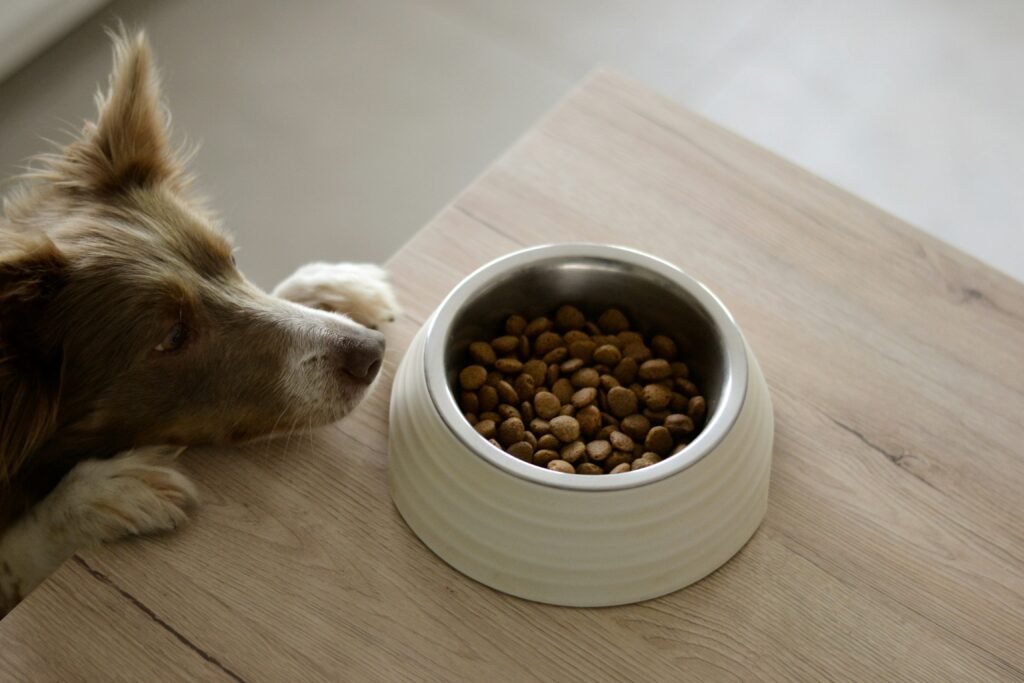
A warm, informative guide to the foods dogs can safely enjoy — and the ones to steer clear of — so your pup stays happy, healthy, and well-fed.
Welcoming your dog to the kitchen table (or letting them sneak a snack) comes with a lot of love, and a little worry. What can dogs actually eat?
Which human-foods are safe, and which pose a risk? This guide will walk you through a friendly list of safe treats, foods to avoid, and how to pair your pup’s diet with aesthetic essentials from The Pet Shop Studio.
What dogs can eat (in moderation)
Start with the obvious: Plain cooked chicken, turkey (no bones, no skin added salt), plain cooked fish like salmon (without bones). These lean proteins support muscle and coat health. Vegetables like carrots, green beans, and plain pumpkin (canned, unspiced) are also safe and beneficial for fiber and digestion. Apples (no core/seeds) make a sweet crunchy treat.
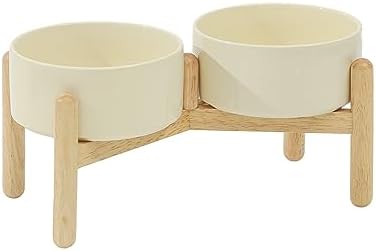
These kinds of foods can be paired with an upscale feeding station or stylish bowl from Amazon that matches your home décor, because form and function can go together.
Foods to avoid
There are several human-foods that are either harmful or toxic to dogs. These include chocolate, grapes and raisins, onions and garlic (in all forms), xylitol (often in sugar-free gums and baked goods), alcohol, macadamia nuts. Even some “natural” treats can be risky if they include excessive salt, spices, or additives.
When you invest in dog essentials, a good tip is to include a separate storage container for dog-treats (preferably airtight and stylish) so you can monitor exactly what you’re giving.
Tips for feeding wisely
• Choose bowls that are easy to clean, non-toxic materials (ceramic, stainless steel).
• Use portion control. Even safe human foods should only supplement your dog’s main diet appropriate for their age, breed and health.
• Look for elevated feeders if your dog is large or has joint issues, these help posture and digestion.
• Always introduce new foods slowly and monitor for digestive upset.
• Check first with your veterinarian if your dog has health conditions or is on special diet.
Conclusion
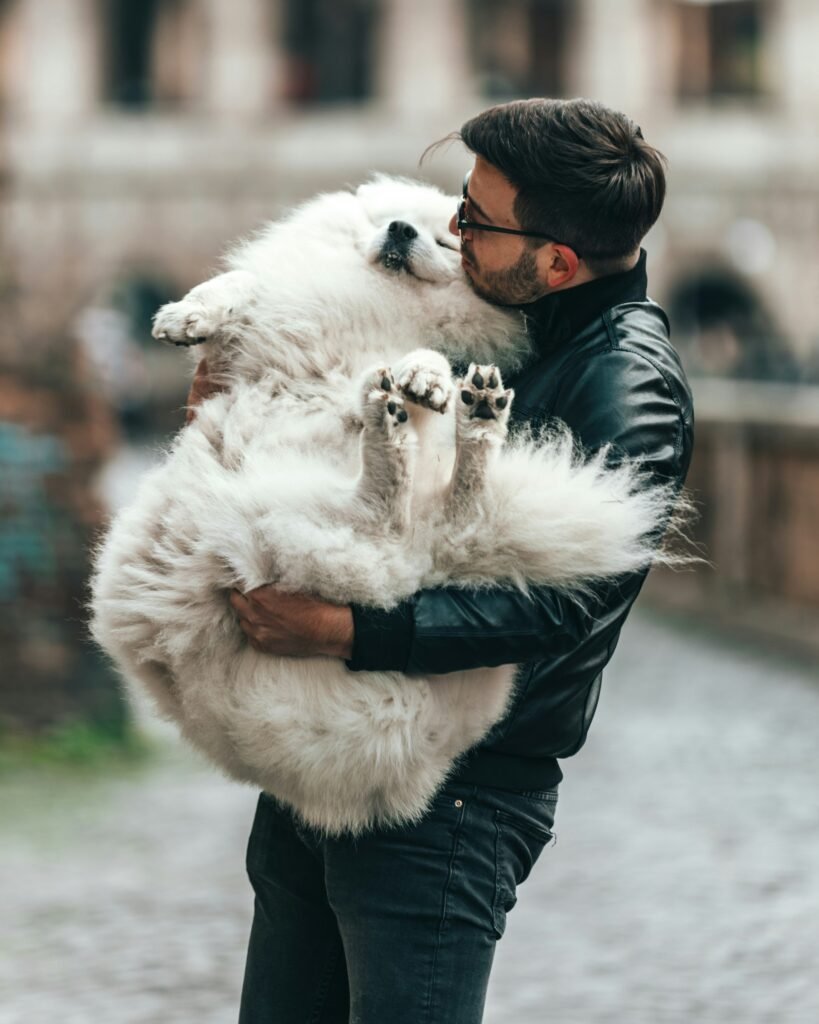
Feeding your dog is both a joy and a responsibility. We hope this guide can help with determining if your food is safe to share or not, we know your dog will always say YES! However, always check with your veterinarian before taking any advice on your dogs diet.
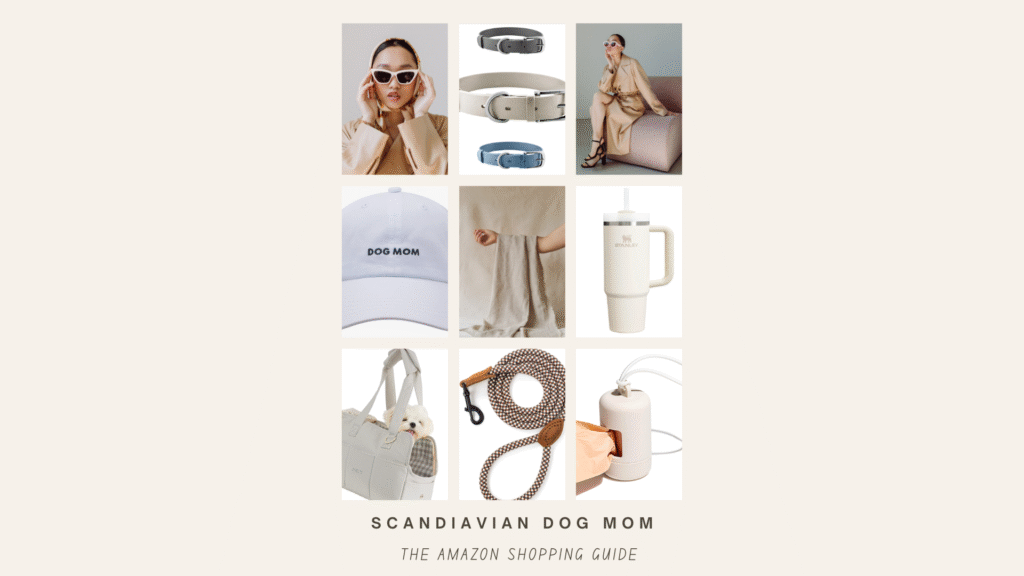
SUGGESTED AMAZON PRODUCTS


Observera: Som Amazon Associate tjänar The Pet Shop Studio pengar på kvalificerade köp.
Vi kan få provision när du klickar på länkar till produkter som vi rekommenderar, utan någon extra kostnad för dig.